
Noah, Utnapishtim, and the Nephilim
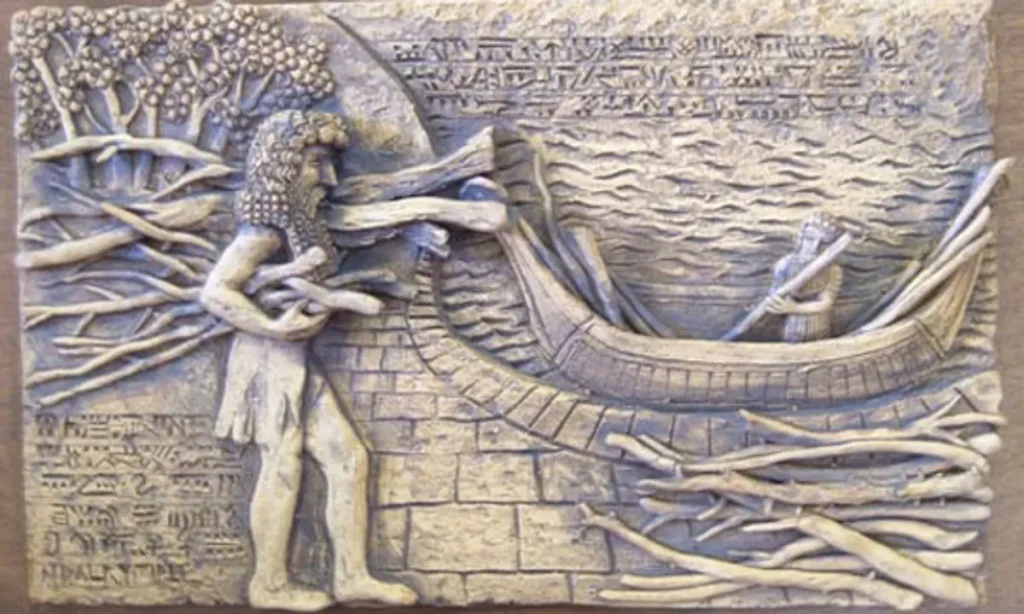
Is There Proof That The Story of Noah’s Ark is True?
The Truth About Tammuz, and Debunking the Comparisons to Jesus
Have you ever stumbled down an internet rabbit hole and found wild claims about ancient gods? If you’ve spent any time reading about mythology or religion online, you might have run into a guy named Tammuz (AKA Dumuzid). There’s a really popular internet rumor that claims the story of Jesus is just a recycled version of the ancient myth of Tammuz. People will say things like, “Look, they were both shepherds, and they both died and came back to life! It’s a total copy!” But is that actually true? Spoiler alert: Nope. Not even close. To really get to the bottom of this, we need to take a trip back in time to the ancient Middle East. Let’s break down exactly who Dumuzid was, how his name ironically ended up in the modern Jewish calendar, and why confusing him with Jesus completely misses the mark. Part 1: Meet Dumuzid, the Ultimate Ancient Shepherd Long before the days of ancient Greece or the Roman Empire, the Sumerians were building some of humanity’s earliest civilizations in Mesopotamia (modern-day Iraq). For these ancient people, surviving the harsh, scorching summers and relying on the unpredictable forces of nature was a daily, life-or-death struggle. They needed gods who represented the things that kept them fed and alive. Enter Dumuzid. Dumuzid (who would later be known by the name Tammuz) was basically the ultimate “Shepherd God.” According to ancient clay tablets, he was a mythical, pre-flood king of a city called Bad-tibira. To the everyday ancient Sumerian, Dumuzid was the divine guy in charge of fertility, farm animals, and agriculture. If you were an ancient farmer, Dumuzid was your best friend. He was specifically linked to providing milk which was a huge deal back then because it spoiled so easily and was hard to keep around. He was also deeply associated with the date palm tree. For ancient Mesopotamians, date palms were the equivalent of a reliable paycheck because they could be harvested all year round, even when it was ridiculously hot and dry. But here is the thing: Dumuzid wasn’t some all-powerful, all-knowing creator of the universe. He had a very specific, earthly job. If you look at the ancient prayers written to him, people weren’t asking for spiritual enlightenment, eternal salvation, or the forgiveness of their sins. They were asking for very practical, physical things: “Please give us more milk,” “Please make our crops grow,” and “Keep our cows healthy.” He was a nature-based god tied directly to the dirt and the animals. Part 2: Love, Betrayal, and the Underworld Drama You absolutely cannot talk about Dumuzid without talking about his wife, Inanna (who was later called Ishtar). She was the powerful Queen of Heaven, the goddess of love and war, and her relationship with Dumuzid is the stuff of ancient soap operas. Read about Inanna Here The story goes that Dumuzid had to compete for Inanna’s heart against a farmer named Enkimdu. Dumuzid basically argued that anything the farmer could offer, he—the shepherd—could do way better. He eventually won her over, and their marriage was a massive deal. In fact, ancient kings used to participate in a symbolic “sacred marriage” ritual in the spring, acting as Dumuzid to ensure the land would be fertile for the upcoming year. Read more about this ritual here. But then, things took a really dark turn in a famous myth called Inanna’s Descent into the Underworld. Inanna decides to visit the realm of the dead. The queen of the underworld isn’t happy about this and strikes Inanna dead. Because Inanna is the goddess of love and fertility, all reproduction on Earth instantly stops. The other gods panic and manage to revive her, but there’s a massive catch: the rules of the underworld say you cannot just leave. You have to leave someone else in your place. So, Inanna heads back home, escorted by terrifying demons, looking for a substitute. When she gets there, she sees that her friends and servants are dressed in rags, weeping and mourning her death. But Dumuzid? He’s chilling on her throne, wearing fancy clothes, completely unfazed that his wife is supposedly dead. Furious at his betrayal and lack of empathy, Inanna points at Dumuzid and tells the demons, “Take him!” Dumuzid gets dragged down to the underworld. Eventually, Inanna calms down and feels a little bad about it, so she makes a compromise: Dumuzid will spend half the year in the underworld, and his sister will take his place for the other half. This story wasn’t just ancient entertainment; it was how they explained the seasons. When the blazing, dry summer hit and all the plants died, it was because Dumuzid was dead in the underworld. When the winter rains returned and the crops sprouted, Dumuzid was back. Part 3: The Weeping Women and the Irony of the Calendar As time went on, the Sumerian Dumuzid became the Canaanite and Babylonian god Tammuz. His followers had a very specific way of worshipping him: intense, public crying. During the middle of the summer, when the land dried up, women would gather to weep over the “death” of Tammuz. In the Hebrew Bible, the prophet Ezekiel has a vision where he is taken to the Temple in Jerusalem. He is absolutely horrified to see Israelite women sitting at the north gate, “weeping for Tammuz.” Why were they crying? In the land of Israel, the life cycle of wheat matches this myth perfectly. The wheat matures and dies in early summer, leaving a seed in the ground. The summer in the Middle East is incredibly dry and barren. The ancient pagans thought this was the tragic death of Tammuz, who left behind grain to feed people. When the winter rains came, the seed sprouted, which they saw as his resurrection. There’s even an ancient stone monument called the Arad Stela found in Israel that shows a grain god lying down and standing up, mapping out this exact cycle! Here is where the story gets
Secret Sacred Marriage Inside of Temples
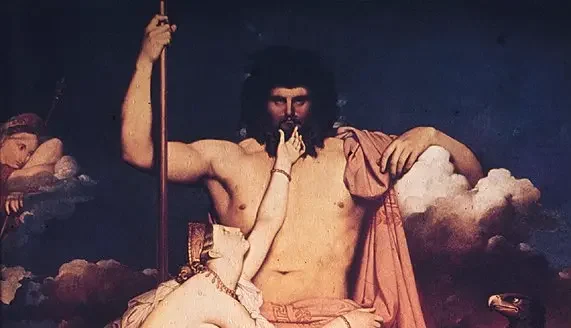
Why Churches Don’t Teach the Truth About the Nephilim
(And Why Christians Can’t Afford to Stay Ignorant Anymore) For many Christians, the word Nephilim sounds unfamiliar, strange, or even suspicious. That alone should trouble us. The Nephilim appear directly in Genesis, at a turning point so severe that God judges the entire world. Yet many believers go their entire lives without ever hearing a serious teaching on who they were, what they represented, or why their influence mattered. This isn’t because the Bible is unclear. It’s because the topic is uncomfortable. Biblical Ignorance Disguised as “Discernment” Many Christians are taught, explicitly or implicitly, that studying ancient religions, pagan history, or spiritual deception is dangerous. “Don’t look into that.”“That’s occult.”“That opens doors.” But Scripture never warns against knowledge. It warns against deception. Avoiding the truth does not protect the Church. It weakens it. Ironically, fear of learning about paganism often leaves believers more vulnerable, not less, unable to recognize deception when it appears wearing religious language and spiritual symbolism. Why the Nephilim Disrupt Comfortable Theology The Nephilim force Christians to confront difficult realities: That fallen angels were real, intelligent, and organized.That rebellion against God was not random, but strategic.That false gods were not imaginary concepts, but active spiritual entities. This shatters the idea that ancient religions were merely cultural myths. When Shepherds Refuse to Warn the Sheep Scripture repeatedly warns about wolves in sheep’s clothing, not just outside the Church, but within it. Sometimes this looks like silence.Sometimes it looks like avoidance.Sometimes it looks like pastors who refuse to teach the hard parts of Scripture. A Church fed only comfort is not prepared for conflict. Many Christians Don’t Know Because They Were Never Taught Most believers reject the Nephilim conversation not because they studied it, but because they were never taught it. God does not waste words. If the Nephilim were irrelevant, they would not appear where judgment begins. Paganism Isn’t the Threat, Deception Is Learning about pagan belief systems does not make someone pagan. Darkness thrives in ignorance, not light. A Call for Christian Diligence: Christians are commanded to test the spirits and rightly divide truth. The Nephilim Theory This article explains why the truth has been neglected. The book explains what the truth reveals. Not every truth makes it into a Sunday sermon. The Govasana email list exists to equip believers beyond the pulpit. Final Word… The Church does not need less truth to stay safe. It needs more truth to stay awake. Thank you for staying alert, staying biblical, and refusing comfortable ignorance.— Govasana
The Nephilim Theory Blog
The Core Claim of the Nephilim Theory
The Nephilim Theory proposes that the “gods” of ancient religions were not imaginary mythological figures, but the same fallen beings described in Genesis, later worshipped under new identities.